
The Ultimate Guide to Choosing Cookware for Your Kitchen
Choosing the right cookware for your kitchen can be a daunting task, especially with the vast array of options available today. Whether you are a novice cook or a seasoned chef, understanding the different types of cookware and their uses is essential for creating delicious meals. This guide will help you navigate the world of cookware, ensuring you make informed decisions that suit your cooking style and needs.
Understanding Cookware Materials
Cookware comes in various materials, each with its own advantages and disadvantages. Stainless steel is a popular choice due to its durability and resistance to rust and staining. It heats evenly and is ideal for browning and deglazing, making it a staple in many kitchens. However, it does not conduct heat as well as other materials, so it may require more energy to achieve the desired cooking temperature.
Non-stick cookware is another favorite, especially for those who want to cook with less oil and make cleanup easier. The non-stick surface allows food to slide off effortlessly, which is perfect for delicate items like eggs and pancakes. However, it is essential to use non-metal utensils to avoid scratching the surface, and the lifespan of non-stick coatings can vary significantly based on usage and care.
Choosing the Right Cookware for Your Cooking Style
Your cooking style plays a significant role in determining the best cookware for your kitchen. If you enjoy slow cooking or braising, consider investing in heavy-duty cast iron or enameled cast iron cookware. These materials retain heat exceptionally well and provide even cooking, making them perfect for stews and roasts. Additionally, they can be used on the stovetop and in the oven, offering versatility.
If you prefer quick cooking methods like stir-frying, a wok or a stainless-steel skillet may be more suitable. Woks are designed for high-heat cooking and allow for rapid movement of food, which is essential for achieving that perfect sear. A stainless-steel skillet, on the other hand, is great for sautéing and can be used for deglazing to create delicious sauces.
Essential Cookware Pieces for Every Kitchen
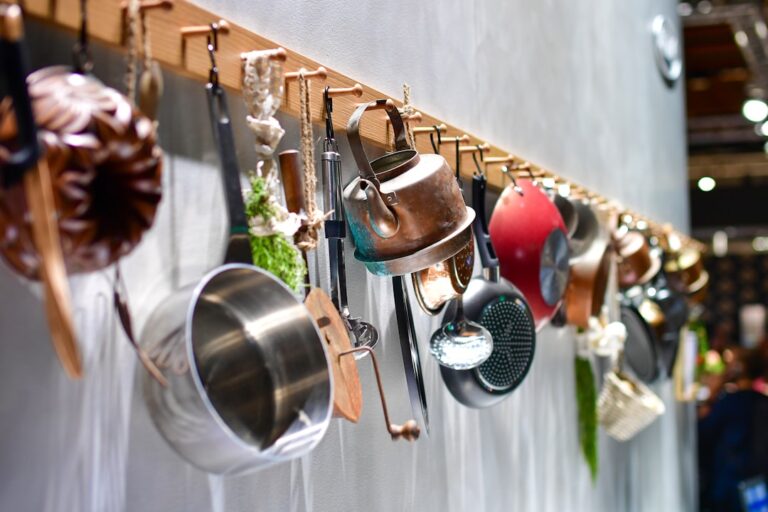
While the variety of cookware can be overwhelming, there are a few essential pieces that every kitchen should have. A good-quality frying pan or skillet is a must-have for everyday cooking tasks, from frying eggs to searing meats. Look for one with a heavy bottom for even heat distribution and a comfortable handle for easy maneuvering.
A versatile saucepan is another essential piece, perfect for boiling pasta, making sauces, or cooking grains. Choose one with a lid to help retain moisture and heat. Additionally, consider adding a stockpot to your collection for making soups and stews, as well as a baking dish for oven-based recipes.
Maintaining Your Cookware
Cast iron cookware requires special care, including seasoning to maintain its non-stick properties and prevent rust. After each use, clean it with hot water and a stiff brush, and dry it thoroughly to avoid moisture buildup. Regularly applying a thin layer of oil will help keep it in top condition.
Step-by-step plan:
Step 1: Assess your cooking style and needs to determine what types of cookware will suit you best. Step 2: Research different materials and their benefits to make informed choices. Step 3: Invest in essential pieces that will cover a variety of cooking tasks. Step 4: Commit to proper maintenance to extend the life of your cookware.